
Choosing between LeafFilter, LeafGuard and K-Guard often comes down to one question: which warranty actually protects you? With gutter guard warranties compared side by side, coverage length, labor terms and transferability vary more than the sales pitch suggests, and knowing the fine print matters as much as Gutter Guard Installation quality itself.
By The Gutter Guys Team, Gutter Installation Experts
What Warranty Does Each Brand Offer?
LeafFilter's Warranty Coverage
LeafFilter markets a lifetime warranty on its stainless steel micro-mesh gutter guard system, and for most homeowners that holds up in practice: coverage follows the product for as long as you own the gutter system it's installed on, covering manufacturing defects, rust-through and clogging when the guards are installed to spec. "Lifetime" means the product's usable life, not a guaranteed number of years, and it typically requires the guards to stay on the original gutters, since a full gutter replacement can reset or affect the term. Installation has to match the manufacturer's method, or a claim can be denied for improper mounting.
LeafGuard's Warranty Coverage
LeafGuard takes a different approach: instead of adding a guard on top of an existing gutter, it sells a one-piece system with the guard built into the hood, using a reverse curve hood design and surface tension to pull water in while shedding leaves and pine needles over the edge. Because the guard is part of the gutter itself, LeafGuard backs the whole system with its own lifetime, no-clog warranty, covering material failure and clogging from normal debris. The guarantee is tied to LeafGuard's own crews, since the guard and gutter can't be separated and reinstalled by a third party without affecting coverage.
K-Guard's Warranty Coverage
K-Guard follows a similar integrated model, pairing its own gutter system with a built-in guard and backing the hardware with a lifetime, transferable warranty against manufacturing defects and clogging. Where K-Guard usually differs is labor: many dealers cover materials for life but limit free labor, so a defect found five or ten years in may be repaired at no material cost while the service trip carries a fee. Ask the dealer whether labor is covered for the full term or just an initial window, a detail that rarely shows up in the marketing copy.
Gutter Guard Warranties Compared Across LeafFilter, LeafGuard and K-Guard
With gutter guard warranties compared across all three brands, the pattern isn't which company has the longest warranty on paper (all three claim lifetime coverage) but which has the fewest exclusions when a claim gets filed. LeafFilter's micro-mesh tends to hold up well against fine debris and rarely needs a clog claim, but post-install gutter changes can complicate coverage. LeafGuard and K-Guard fold the guard warranty into the gutter system itself, staying simple as long as you never need a third-party repair.
There isn't a single "best" answer, it depends on what a homeowner values most. If transferability matters, K-Guard's terms are usually the most homeowner-friendly on paper. If material performance against pine needles and fine grit is the priority, LeafFilter's micro-mesh has the strongest track record. And if a fully integrated, one-piece system appeals more than an add-on guard, LeafGuard's warranty is built around that design. The right choice comes down to matching warranty structure to how long you plan to stay and how much DIY maintenance you're willing to do.
What Voids a Gutter Guard Warranty
Every gutter guard warranty carries conditions, and most claim denials trace back to the same handful of causes. Improper installation is the biggest one: guards mounted at the wrong pitch, with the wrong fasteners, or without proper support can sink a claim even if the product is fine. Altering the gutter system afterward, such as adding a new roofline, removing guards for a roof job and reinstalling them incorrectly, or switching guard types, can also void coverage. Guards that trap debris and restrict water flow during heavy rain get flagged during inspections too, since the manufacturer wants proof the system worked as designed.
Foam insert guards are a common source of trouble: they compress over time, trap pine needles and fine debris inside the gutter instead of shedding it, and many manufacturers exclude clog claims once a foam product has degraded past its rated lifespan. Homeowners moving to professional mesh installation typically restart the clock with a fresh warranty rather than salvaging coverage on the old product. Skipping required cleaning is the other common trigger for a denied claim.
Transferability, Coverage Limits and Refunds
Are Gutter Guard Warranties Transferable to a New Homeowner?
Most gutter guard warranties include a transferable clause, though terms vary by brand. Typically the homeowner or new buyer must notify the manufacturer within a set window after closing, sometimes with a small fee, to keep coverage active. A transferable warranty is a strong selling point during a sale, since it signals the system was professionally installed and maintained. Buyers should ask for the original installation paperwork and registration, since an unregistered warranty can be hard to transfer.
Do Gutter Guard Warranties Cover Clogging, or Only Material and Manufacturing Defects?
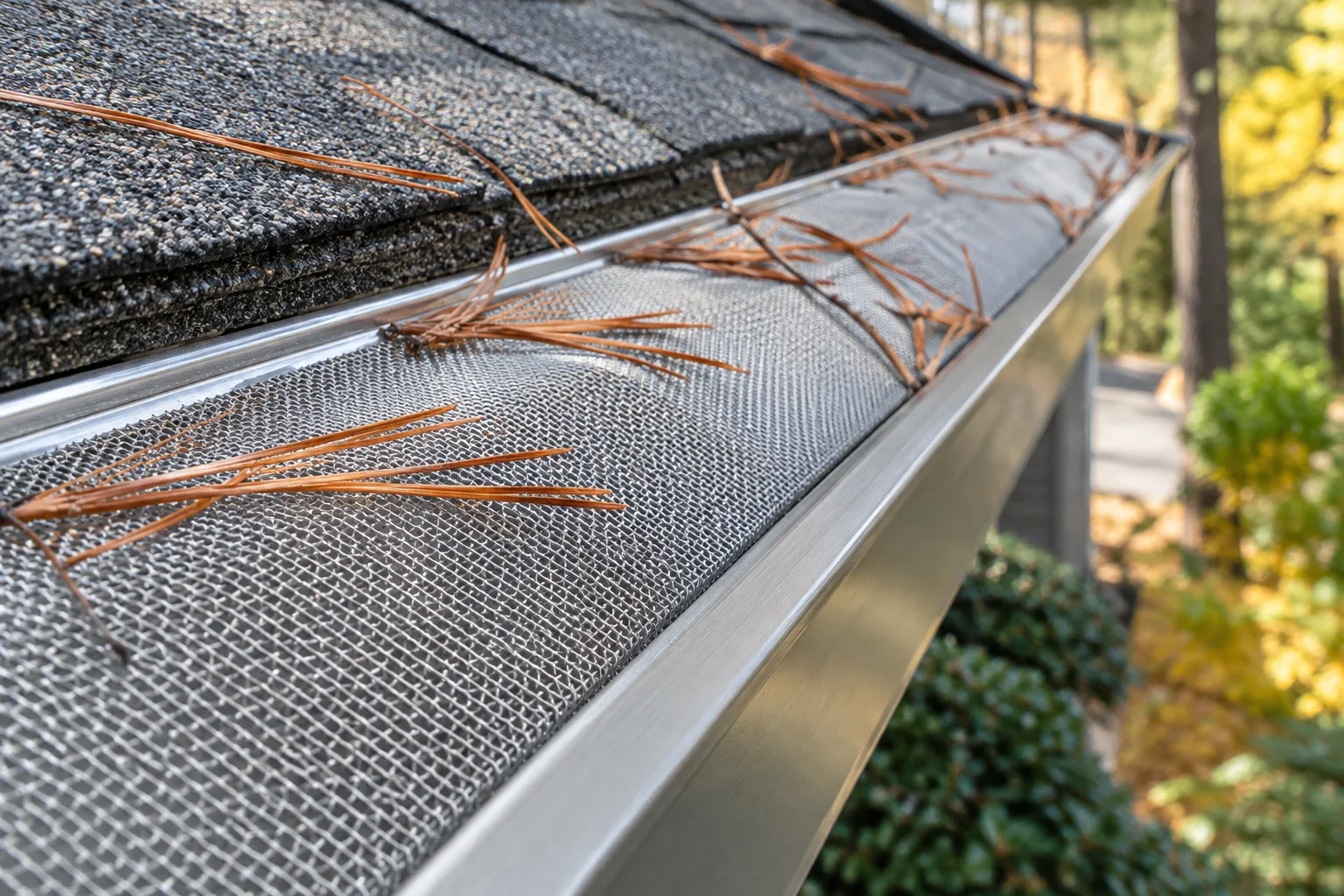
This is where the fine print does the most work. A guard warranty almost always covers manufacturing defects, but whether it also covers clogging differs by brand and guard type. Stainless steel micro-mesh systems generally include clog coverage, since the mesh opening is fine enough to keep debris out under normal conditions. Coarser guard types sometimes limit or exclude clog coverage once fine debris like pine needles or shingle grit is involved.
Can You Get a Refund If a Gutter Guard Fails While Under Warranty?
A warranty claim usually results in a repair or replacement, not a cash refund. Most manufacturers reserve refunds for the original satisfaction period right after installation, often 30 to 90 days, not for a failure years into ownership. Out-of-warranty repairs are often billed per linear foot rather than a flat fee, so confirm coverage before a small issue becomes an invoice. If your guards are already showing signs of a coverage gap, a Gutter Protection evaluation can confirm what's still covered before a repair becomes a full replacement.
How Do You File a Warranty Claim With LeafFilter, LeafGuard or K-Guard?
Filing a claim starts the same way with any brand: contact the original installing dealer or the manufacturer's customer service line, since most warranties are administered locally rather than through a national call center. Have your installation date, address and warranty or invoice number ready to confirm the warranty is active. A technician typically inspects the issue in person before approving a repair, since photos rarely settle whether the cause was a defect or normal maintenance. Keep every inspection report and repair invoice. If a dealer closes, the manufacturer's material warranty often still holds, but you may need a different licensed installer.
Frequently Asked Questions
How long does a gutter guard warranty typically last?
When you get gutter guard warranties compared across major brands like LeafFilter, LeafGuard and K-Guard, all three typically advertise a lifetime warranty, lasting as long as you own the home and the original gutter system stays installed. Scope varies: some terms cover materials only, others include limited labor, and nearly all require the guards to stay unmodified and maintained.
Is LeafFilter's lifetime warranty really lifetime?
In practice, yes for most homeowners: LeafFilter's coverage follows the product as long as it's installed correctly on the original gutter system, and claims for clogging or micro-mesh defects are typically honored. What catches people off guard is that "lifetime" means the product's service life, not a fixed year count, and major gutter changes can affect how the warranty applies.
Does K-Guard's warranty cover labor costs or only parts?
It depends on the dealer and terms at installation, but many K-Guard warranties cover materials for the full lifetime term while limiting free labor to an initial window. After that, a service call may carry a labor charge even though the part is still covered, so confirm labor terms in writing before you sign.
What's the most common reason a gutter guard warranty claim gets denied?
Improper installation is the leading cause, followed by unauthorized changes to the gutter system, like removing guards for a roof job and reinstalling incorrectly. Skipping required maintenance and using a non-approved repair technician can also void a claim.
Can a new homeowner use a transferable gutter guard warranty after buying a house?
Usually yes, as long as the warranty was registered and the transfer is requested within the window the brand specifies, sometimes 30 to 60 days after closing. A small fee may apply. Ask the seller for the original invoice and warranty documentation at closing so coverage can be processed without a gap.
Get Your Gutter Guard Warranty Checked Before It Becomes a Problem
If you're unsure whether your current guards are still covered, or which warranty terms actually apply to your home, our team can check your installation details and explain what's protected. Contact us to get a clear, no-pressure answer before a small issue becomes a bigger repair.